

Building User & Training Guides
Plain-English building user guides and structured training records, compiled alongside the technical O&M documentation, so the people who occupy the building get documentation written for them.
What it does
The O&M manual tells a maintenance engineer how to service the chiller. It does not tell a teacher how to adjust the classroom temperature, a nurse where the after-hours access is or an office manager what goes in which recycling stream. That is the building user guide's job: a short, plain-English companion written for the people who occupy the building, not the people who maintain it.
Training documentation is the other half of the same story. At handover, the contractor demonstrates building systems to the owner's operators. Government and Defence contracts routinely require records proving that training happened: who was trained, on what, when and with what materials. Procom structures both deliverables as sections in the project tree, with the same assignment, due dates, review and approval as every technical document.
The result: when the building opens, occupants have a guide they can actually read, operators have their training materials, and the contractor has signed-off evidence that both were delivered, not a promise to "send it through later".
How it works
Plan the deliverable
The building user guide and training sections sit in the project tree from day one, with named owners and due dates, not added as an afterthought when someone re-reads the contract in the final month.
Compile the content
User-guide content, training guides and training records are uploaded into their sections, drawn from the same trades and suppliers already contributing to the O&M manual, in the same portals.
Approve & hand over
The guides are reviewed and signed off through the same workflow as the technical manual, then exported with the handover package, with the audit trail proving delivery.
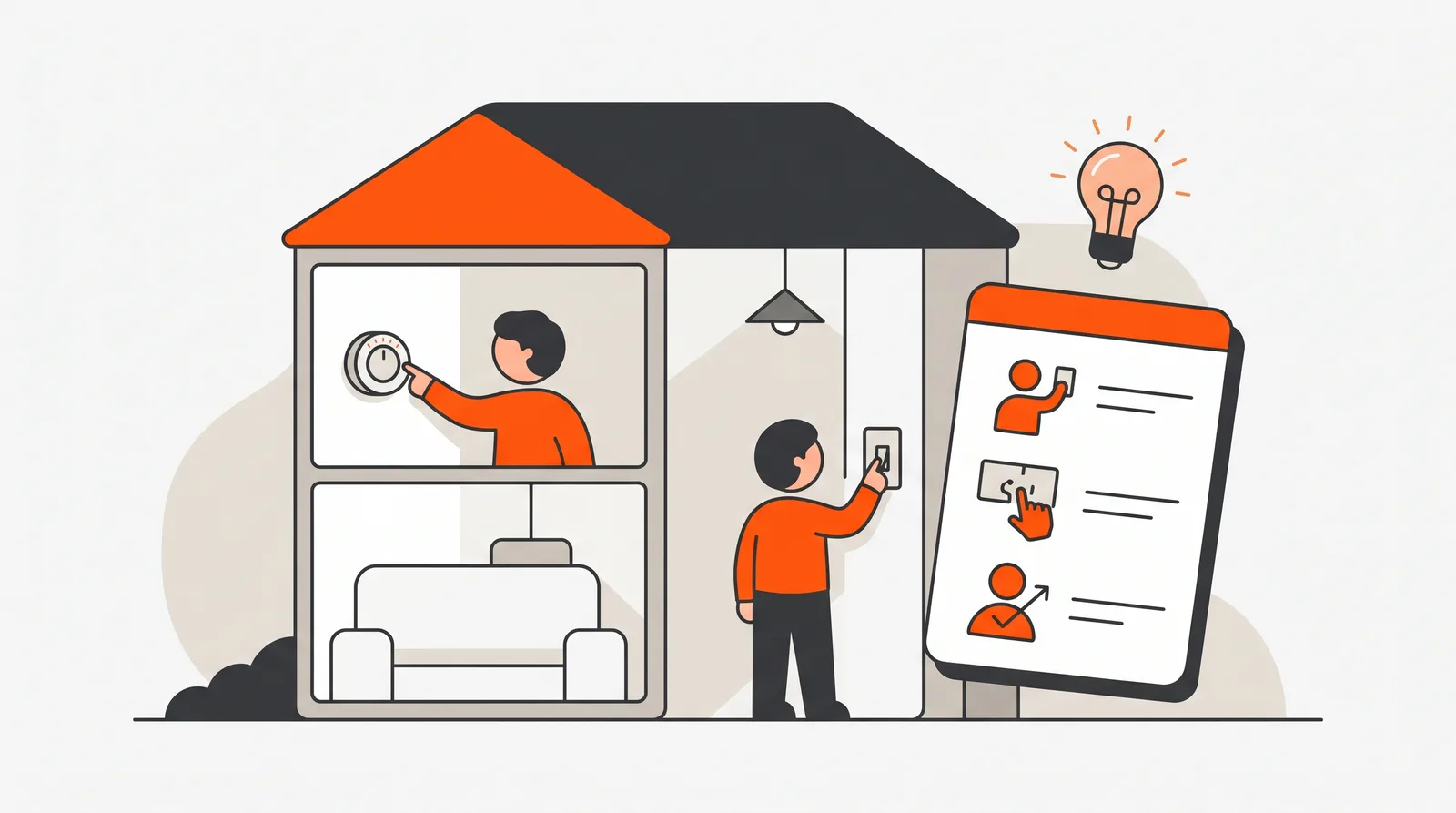
Written for the people inside the building
Why it matters
A building only performs as designed if the people inside it use it as designed. Occupants who fight the HVAC, override the lighting or never learn the building's features will erode the energy, comfort and safety outcomes the project paid for. That is why sustainability rating frameworks encourage building user information: clear guidance protects the modelled performance, which matters doubly on green building projects.
Training records carry contractual weight of their own. On government and Defence projects, evidence of operator training is part of the handover obligation, an item reviewers check, not a courtesy. A missing training record is the same class of defect as a missing warranty certificate: small to produce on time, painful to reconstruct later.
Treating user guides and training documentation as first-class deliverables (owned, tracked, reviewed) means they are ready when the building opens, when they are most valuable, rather than trickling in months after the occupants have already formed their habits.
Compared to
| Aspect | Typical approach | Procom |
|---|---|---|
| When it gets written | After handover, if the client chases it. | Planned in the tree from project start, with an owner and a due date. |
| Audience fit | Occupants are handed the technical O&M manual and told to search it. | A dedicated plain-English guide for occupants; the technical manual stays for FM. |
| Training evidence | Attendance scribbled on a sheet that never gets filed. | Training guides and records structured, reviewed and exported with the handover package. |
| Proof of delivery | "We sent that through, didn't we?" | Approval workflow plus the Activities audit trail showing exactly what was delivered and when. |
Specifications
Building user guide
Plain-English occupant guidance (access, comfort controls, lighting, waste, emergency procedures, sustainability features and contacts) tailored to the building and its users.
Training guides
System demonstration and how-to content for the owner's operators, compiled from the trades and suppliers who installed the systems.
Training records
Who was trained, on what and when, captured as part of the handover package, where government and Defence reviewers expect to find it.
Workflow
Same assignment, due-date, review and approval machinery as every other deliverable, with status visible in the project tree and actions logged in the audit trail.
Delivery
Exported with the handover package to PDF, DOCX, LaTeX, HTML or XLS, or kept as a living digital reference occupants access after handover.
Green building projects
Building user information supports sustainability rating outcomes. See our Green Building Information service for the broader documentation scope.
Frequently Asked Questions
What is a building user guide?
A building user guide (BUG) is a plain-English companion to the technical O&M manual. It tells everyday occupants and non-technical staff how to use the building: access and security, comfort controls, lighting, waste and recycling, emergency procedures and any sustainability features they interact with.
How is a building user guide different from an O&M manual?
The O&M manual is written for facility managers and maintenance contractors: technical, exhaustive, system-by-system. The building user guide is written for the people who occupy the building: short, visual and task-oriented. Both are compiled from the same Procom project.
What are training guides and training records?
At handover, the contractor typically demonstrates building systems to the owner's operators and records that training occurred. Training guides capture the how-to content; training records capture who was trained, on what and when, documentation that government and Defence handovers routinely require.
Why do sustainability ratings care about building user guides?
A building only performs as designed if its occupants use it as designed. Green building rating frameworks encourage building user information precisely because clear guidance protects the modelled energy and comfort outcomes. If your project has green building obligations, the BUG is part of meeting them.
How does Procom handle these guides?
Building user guides and training documentation are structured as sections within the project tree, with the same assignment, status-tracking, review and approval workflow as every other deliverable, so they are compiled and signed off before Practical Completion, not improvised afterwards.
Occupants deserve better than a 2,000-page PDF.
Book a walkthrough and see building user guides and training records compiled alongside the technical manual.